When choosing furniture for your home, one of the most common questions is whether to choose solid wood or veneer. Both materials have their own advantages, and the right choice depends on your expectations, budget, design preferences and how the furniture will be used.
For homeowners looking for furniture that can become part of their home for many years, understanding the difference between solid wood and veneer is an important first step.
Solid wood furniture is made primarily from natural wood. Instead of using a thin layer of wood over another material, the visible and structural components are made from solid timber.
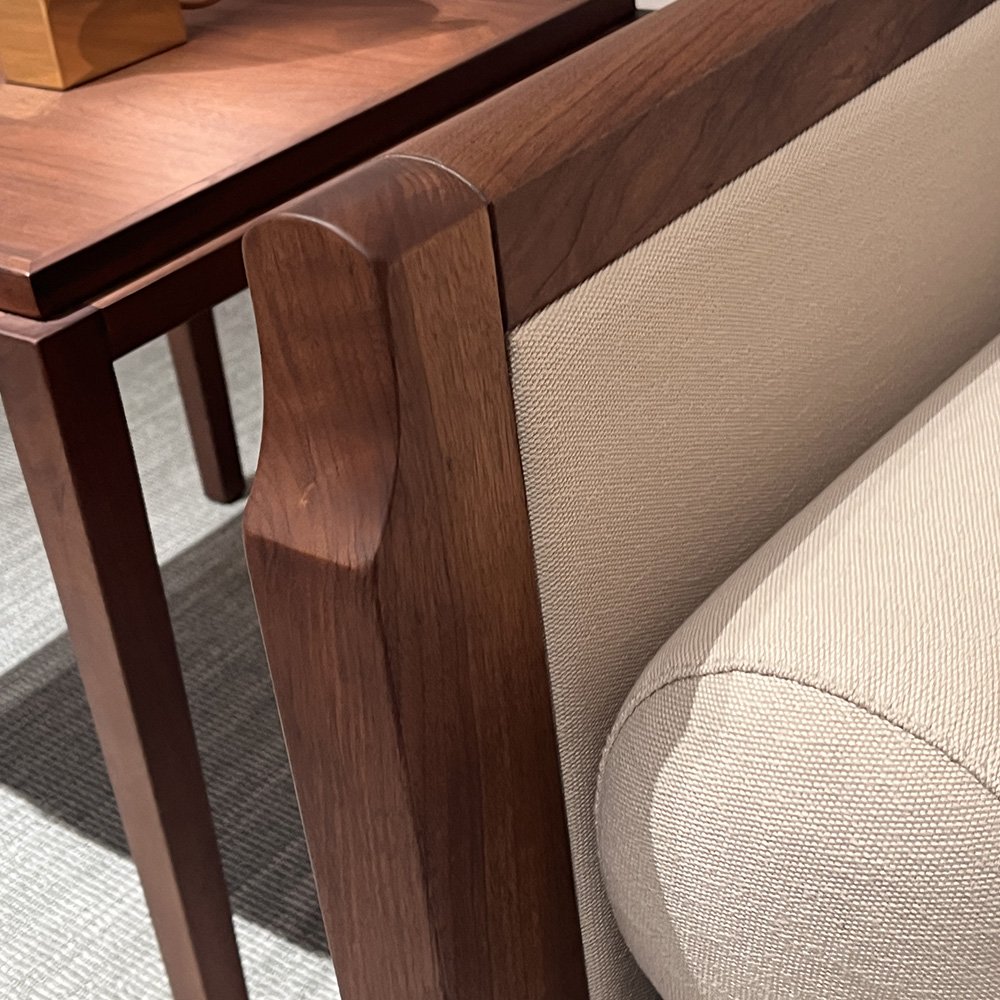
One of the greatest characteristics of solid wood is its natural variation. Every piece of timber has its own grain, color, knots and subtle differences, which means that no two pieces of furniture are exactly alike.
Well-made solid wood furniture can also develop a richer appearance over time. With proper care, many pieces can remain in use for decades and may even be refinished or restored when necessary.
For LITAI, natural wood is not simply a material. It is an essential part of the character and identity of a piece of furniture.
The biggest difference between solid wood and veneer is not simply whether one is “better” than the other. The more important question is how the material is used, how the furniture is constructed, and what you expect from the piece over time.
High-quality veneer can offer excellent stability and design flexibility, while solid wood provides a distinctive natural character, substantial feel and the possibility of long-term restoration.
For premium furniture, we believe customers should look beyond the surface.
Ask:
- What material is used for the main structure?
- Where does the wood come from?
- How thick and carefully selected is the natural wood?
- How are the joints constructed?
- How is the surface finished?
- Can the furniture be repaired or refinished?
- Is the construction appropriate for the climate and intended use?
The Advantages of Solid Wood Furniture
1. Natural Character
Every piece of natural wood has its own grain and tonal variation. These subtle differences give solid wood furniture a sense of individuality that manufactured surfaces cannot completely reproduce.
2. Long-Term Durability
When properly designed and constructed, solid wood furniture can provide many years of service. The strength and density of the timber contribute to a substantial and durable structure.
3. Timeless Appearance
Natural wood works across different interior styles. From contemporary interiors to refined Chinese-inspired spaces, the warmth and texture of wood can create a sense of balance and permanence.
4. Repairability
One of the long-term advantages of quality solid wood furniture is its ability to be maintained, repaired or refinished when appropriate.
Instead of replacing a piece because of minor surface wear, certain solid wood furniture can be restored and continue serving the home for many years.
What Is Veneer Furniture?
Veneer furniture uses a thin layer of natural wood applied to another core material.
Veneer is not necessarily a low-quality material. In fact, high-quality veneer can be an excellent choice for certain furniture applications.
Because wood naturally responds to changes in temperature and humidity, engineered cores combined with veneer can sometimes provide greater dimensional stability than solid timber in specific applications.
Veneer can also make it easier to achieve consistent dimensions and certain contemporary designs.
The key is understanding what you are buying.