

Two pieces of furniture can cost the same and be worth very different amounts ten years later. What separates them is almost never the design. It is the species, how the timber was dried, and how the surface was finished.
Black walnut is the clearest example. Here is what the wood actually does, why it holds its value, and the seven habits that decide whether a walnut table looks better or worse in a decade.
The Case for Black Walnut
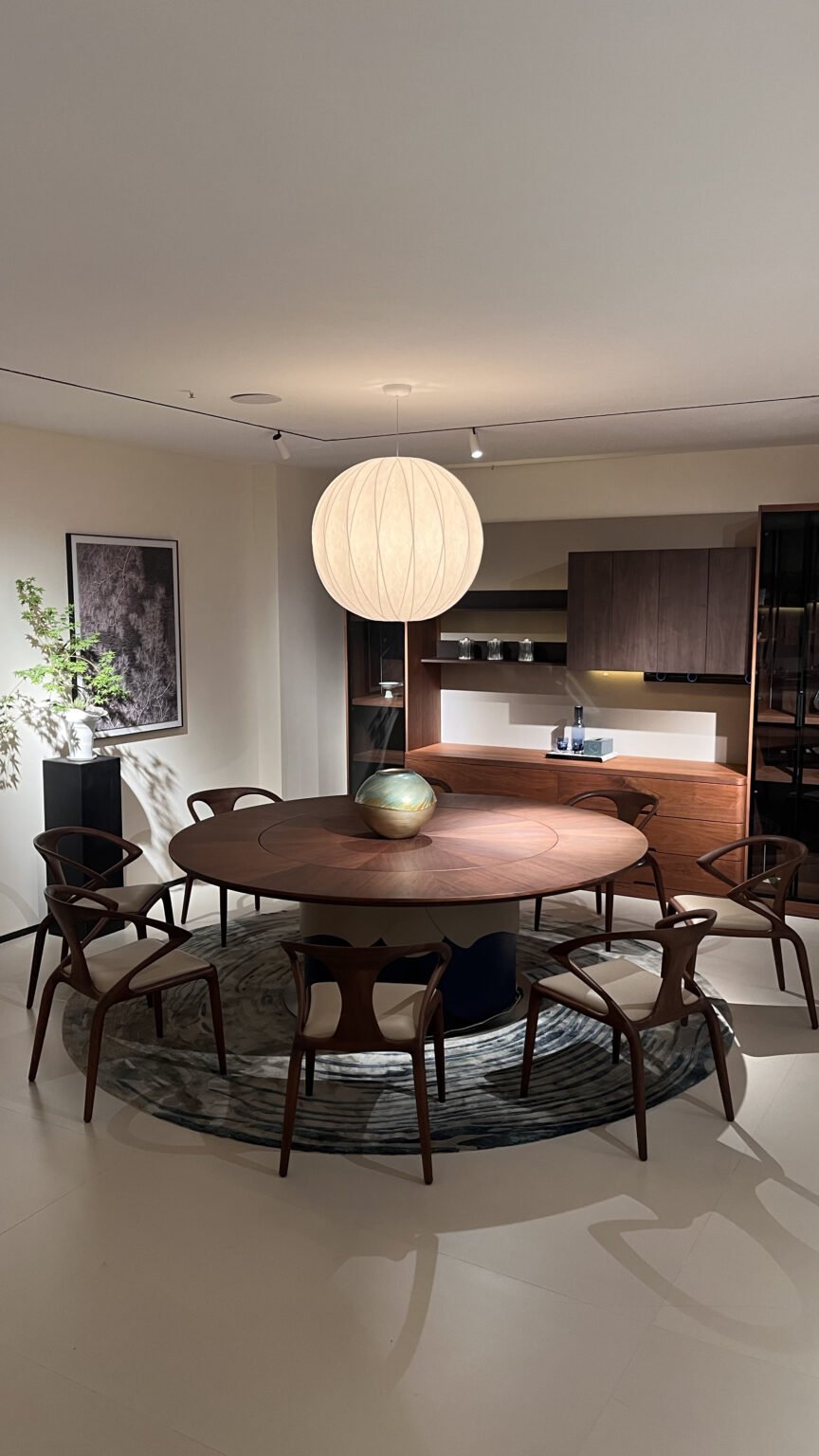
Colour that does not need help. Black walnut has a deep, warm brown heartwood with a cooler, chocolate undertone — and unlike many species it does not require staining to reach that depth. What you see is the wood, not a colour layer applied over it.
Grain with movement. Walnut is not a flat, even-looking timber. Its grain ranges from straight and quiet to figured and dramatic, and the transition between sapwood and heartwood gives each board its own character. A walnut top reads as a natural material from across the room.
Stability in real conditions. Walnut moves less in response to humidity change than many lighter hardwoods. That matters in centrally heated or air-conditioned homes, where furniture lives in air that swings between very dry and quite humid. Less movement means fewer gaps at joints and fewer cupped tops.
It ages in the right direction. Lighter woods can yellow or flatten with age. Walnut typically deepens and warms, and the surface develops a soft sheen where hands and objects repeatedly touch it. Twenty years in, most walnut furniture looks better than it did new — which is not true of veneer, and rarely true of stained softwood.
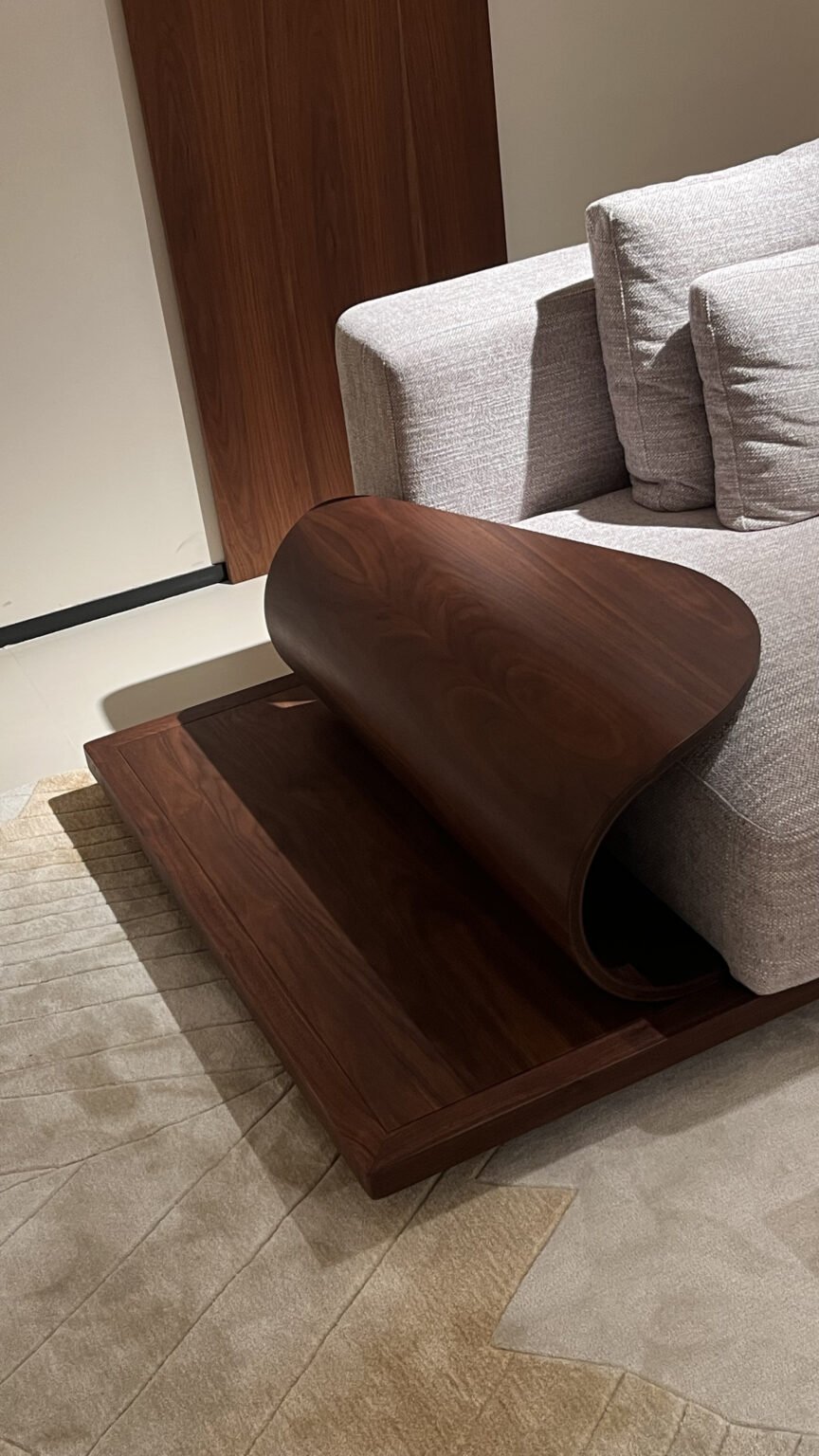
Repairability. A solid walnut top can be sanded and re-oiled. Scratches, ring marks and ink stains are surface events, not permanent ones. This is the practical core of the value argument: the piece is not disposable.
Is It Worth the Price?
Walnut is expensive because the tree is slow-growing and the usable heartwood yield per log is low. That premium is real, and it is worth being honest about it.
The useful way to think about cost is over the life of the piece rather than at the till. A solid walnut dining table that is used every day for twenty-five years, and can be refinished twice in that time, is a different purchase from a table that will be replaced twice in the same period. The comparison is not walnut against oak on the invoice — it is walnut against buying the same object three times.
Where walnut is not the right answer: rooms that will be rearranged every few years, rental properties, and outdoor or high-moisture environments. Walnut is an indoor material, and it rewards a household that expects to keep its furniture.
Seven Care Habits That Decide How It Ages
1. Keep it out of direct sun
Ultraviolet light shifts the colour of any wood, and walnut is no exception — it lightens unevenly where sun falls across a surface for months. Position the piece away from south- or west-facing windows, or use a curtain or blind during the brightest hours. Rotation is not practical for large furniture, so placement is the whole answer.
2. Dust with a dry or barely damp cloth
A soft, dry cloth once a week removes abrasive dust before it is ground into the surface by daily use. For sticky marks, a cloth wrung almost dry is enough. Never flood the surface — water sitting in a joint is how a top starts to cup.
3. Use coasters and trivets, without exception
Heat is the most common cause of permanent damage. A hot pan or a mug straight from the kettle can leave a white ring in a finished surface within seconds. Felt pads under objects that get moved — lamps, bowls, bookends — prevent a decade of fine scratches.
4. Hold indoor humidity steady
Aim to keep indoor relative humidity roughly between 40% and 60%. In heated winter rooms this usually means a humidifier; in humid summers, air conditioning or ventilation. Consistent humidity is more important than any single product: wood responds to change, not to absolutes.
5. Oil an open-pore surface before it looks dry
An open-pore finish leaves the timber’s pores open, so the wood can be nourished directly. When the surface starts to look uniformly thirsty — lighter, slightly matt, dry to the touch — it is time to apply a thin coat of furniture wax or a hard-wax oil. Work with the grain, use very little, let it sit briefly, then buff off all excess with a clean cloth. Once or twice a year is typical for a dining table; shelves and cabinets need less.
6. Deal with scratches early
Fine scratches usually disappear with a light application of wax and a buff. Deeper marks can be treated locally with a touch of oil on a cloth, worked along the grain. If a scratch is genuinely deep, leave it until a full refinish is due rather than sanding one spot — a local sanding leaves a visible flat patch.
7. Know what not to use
Avoid all-purpose spray cleaners, anything containing alcohol, ammonia or bleach, silicone-based polishes, and abrasive creams. They strip finish, dry the timber and leave residues that make future repair harder. Water rings should be left to dry naturally and then lightly waxed — heat and alcohol are the two things that damage walnut permanently.
How Our Finishing Affects Care
Every walnut piece we make is finished open-pore. That choice is deliberate: a closed, plastic-like film hides the grain you paid for, while an open-pore finish lets you feel the timber and lets the wood take oil directly.
The trade-off is that open-pore surfaces ask for a little attention — a thin coat of wax or hard-wax oil once or twice a year, as described above. In return they can be repaired locally rather than refinished wholesale, and they develop the soft sheen that only real wood acquires.
All our walnut is North American black walnut, imported and selected for grain and colour consistency, and kiln-dried and acclimatised before assembly so that the piece arrives stable rather than settling in your home.
A Note on Buying
Every piece can be ordered as a single item — there is no minimum quantity for individual buyers. We ship worldwide, with shipping calculated for your address and paid by the buyer. If you would like to know the exact material specification or finish for a particular model, or a quote including shipping to your country, contact us and we will confirm it for that piece.
The Short Version
- Walnut earns its premium through colour, grain, stability and repairability — not through marketing.
- Judge the cost over twenty-five years, not at the point of purchase.
- Shade, coasters, steady humidity and a yearly waxing cover most of what matters.
- Avoid alcohol, ammonia, bleach and silicone polish. They are the only truly unforgiving mistakes.
Explore the North American walnut collection, or ask us about care for a specific piece.
Related reading: Solid Wood vs Veneer: How to Tell the Difference · What Is New Chinese Style? · What Is Ovangkol?